How to Prepare for Your First Fotona Laser Treatments Appointment
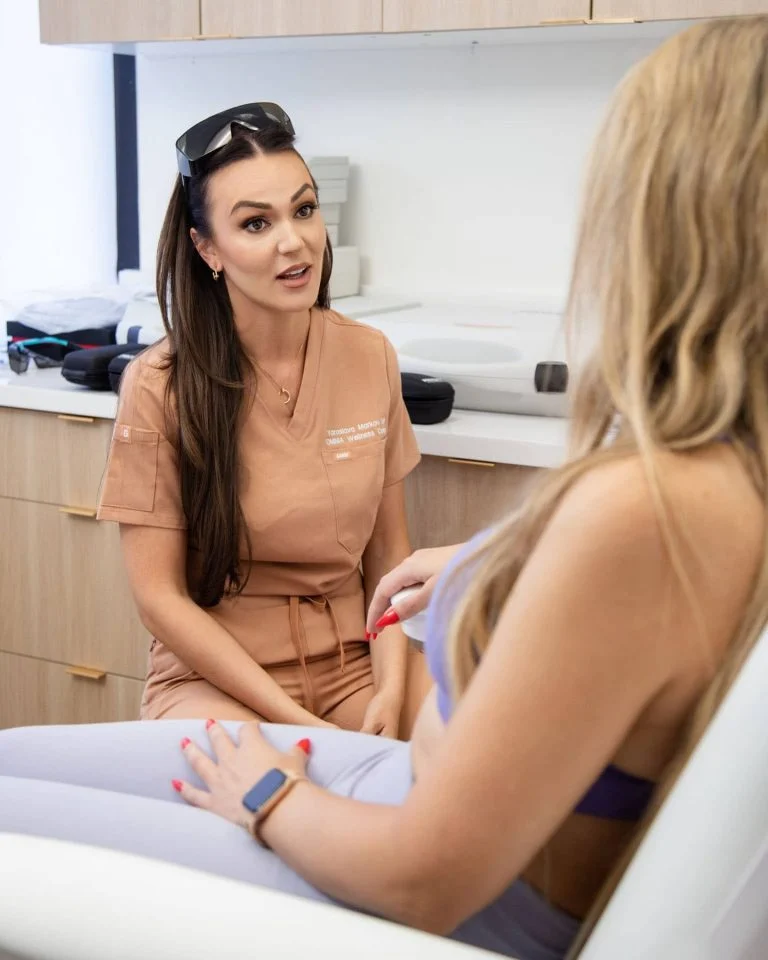
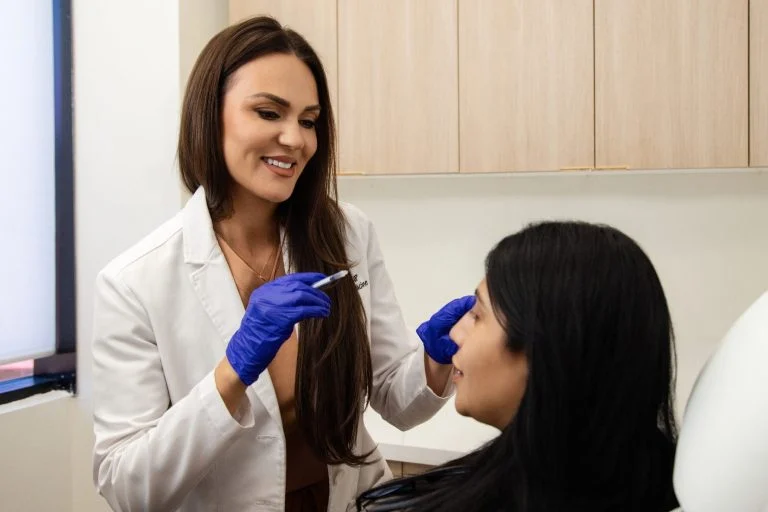
Walking into your first laser appointment without a clear picture of what to expect can make even a straightforward treatment feel intimidating. That is especially true with Fotona Laser Treatments, because the name covers a range of options rather than one single procedure. Some appointments focus on skin resurfacing, some target pigmentation or redness, some support acne care, and others are used in gynecologic, dental, or aesthetic settings. Preparation matters because the best outcomes usually come from matching the right treatment settings, timing, and aftercare to your skin, your goals, and your medical history.
People often assume the appointment begins when the laser turns on. In practice, good results start several days, and sometimes several weeks, earlier. I have seen first-time patients do beautifully simply because they came in with realistic expectations, paused the right skincare products, and spoke up about medications or recent sun exposure. I have also seen avoidable delays happen because someone arrived tan, had used a retinoid the night before, or booked the session right before a wedding weekend expecting zero downtime. None of those issues are unusual. They are simply signs that laser treatment is more precise than many people realize.
The good news is that preparing well is not complicated. It is mainly about timing, honesty, and respecting the skin as living tissue rather than treating the appointment like a quick beauty errand.
Start by understanding what kind of Fotona treatment you are actually having
Fotona systems are versatile. That versatility is one reason experienced clinics like them, but it can create confusion for first-time patients. Saying you are getting “Fotona” is a little like saying you are getting “physical therapy” without mentioning whether it is for a shoulder injury or a knee replacement. The technology platform matters, but the specific treatment plan matters more.
Before your appointment, ask the clinic exactly what your session is intended to treat. Is it texture, fine lines, acne scars, active breakouts, vascular concerns, pigmentation, laxity, or something internal such as vaginal rejuvenation? Once you know that, ask how aggressive the session will be. Many clinics offer lighter protocols with minimal downtime and stronger sessions that create more redness, swelling, or peeling.
That distinction changes how you prepare. A gentle lunchtime treatment may call for a short pause on active skincare and a conservative plan for the next day. A deeper resurfacing session may require stricter sun avoidance, more recovery time, and a very simple post-treatment routine. If the clinic has not already explained the expected recovery window in plain language, ask them to describe what your skin is likely to look and feel like after 24 hours, 72 hours, and one week.
Those details help you plan your schedule and avoid the most common disappointment I hear from first-time patients, which is not pain, but surprise. A person who expects a little pinkness handles a day of warmth and redness quite well. A person expecting to walk out camera-ready may feel alarmed by the same perfectly normal response.
The consultation is not paperwork, it is part of the treatment
Many clinics book a consultation before the first appointment, or fold the consultation into the first visit. Either way, this is the moment to be thorough. Laser safety depends on information that may seem unrelated at first glance. Recent sun exposure, self-tanner, a history of cold sores, isotretinoin use, photosensitizing medications, melasma, eczema, keloid scarring, pregnancy status, autoimmune conditions, and even how easily you pigment after a mosquito bite can all affect the treatment plan.
If you have a history of herpes simplex outbreaks around the mouth and the treatment area is near the lips, mention it before the day of treatment. Many practitioners will consider antiviral prophylaxis in the right patient. If you have melasma, say so even if your current concern is “just texture,” because heat-based treatments can sometimes aggravate pigment in susceptible skin. If your skin tends to stay red for weeks after minor irritation, that matters too.
Photos are often taken at the consultation. Some people dislike this, but standardized photos are genuinely useful. Progress with laser treatments can be gradual, and memory is unreliable. A patient may swear nothing changed, then look at baseline photos and realize the pores, erythema, or post-acne marks have improved more than they thought.
This is also the time to ask a practical question that patients often avoid because they think it sounds vain: “What should I cancel afterward?” It is a smart question. If you have a treatment that may leave you flushed, puffy, or flaky, you may want to move family photos, work presentations, or social events. The answer will depend on the treatment intensity and your skin’s typical behavior.
Two weeks before your appointment, think in terms of skin stability
Laser energy interacts with whatever condition your skin is in that day. Stable, calm skin usually tolerates treatment better than skin that is inflamed, sensitized, recently exfoliated, or freshly tanned. In the couple of weeks leading up to your appointment, your job is not to “prep harder.” It is to avoid destabilizing the skin barrier.
That means being cautious with intense sun exposure. If you are heading to the beach, skiing, hiking, or any setting where incidental sun adds up quickly, wear broad-spectrum sunscreen consistently and use shade and protective clothing when possible. A tan is not just a cosmetic issue. It can increase the risk of unwanted pigment changes and may force the clinic to postpone treatment.
This is also not the time to experiment with a new acid peel, at-home dermaplaning tool, scrub, microneedling pen, or strong brightening serum. People often try to “get the skin ready” by throwing extra products at it. That backfires more often than it helps. What a laser provider wants to see is skin that is predictable.
If you wax, thread, or use depilatory creams in the planned treatment area, ask when to stop. Timelines vary by treatment and body area, but irritated skin and recently traumatized follicles are not ideal. The same goes for aggressive facials. A soothing hydrating facial is one thing. Extractions, peels, and scrubs right before a laser session are another.
Your skincare routine should get simpler, not more ambitious
A week before the appointment, many patients benefit from stripping their routine back to the basics. The exact timing should come from your provider, but a common theme is pausing potentially irritating actives and focusing on hydration and barrier support.
Here is a simple pre-appointment checklist that applies to many facial laser treatments, though your own clinic’s instructions should always take priority:
- Pause retinoids, tretinoin, and retinal products for the timeframe your provider recommends.
- Hold exfoliating acids, scrubs, benzoyl peroxide, and other irritating actives unless told otherwise.
- Avoid self-tanner on the treatment area.
- Keep the skin well moisturized and use daily broad-spectrum sunscreen.
- Tell the clinic about any new medication, rash, breakout, or recent sunburn before you come in.
The specifics matter. Some providers ask patients to stop retinoids for a few days, others for a week or longer depending on the treatment strength and the patient’s sensitivity. Benzoyl peroxide can be quite irritating for some, especially when combined with heat or resurfacing energy. Hydroquinone is more nuanced. In pigment-prone patients, some clinics intentionally use it in certain treatment plans, while others may pause it temporarily. This is why generic internet advice often falls short. The principle is useful, but the protocol must fit your skin.
One practical note from experience: if your skin starts feeling dry or tight after stopping your usual actives, resist the urge to replace them with a stack of “repair” products. A bland moisturizer and a gentle cleanser usually do more good than a half dozen serums marketed for recovery.
Be careful with sun, heat, and exercise right before treatment
The 24 to 48 hours before the appointment are not a good time for a hard reset class, a long steam session, a hot yoga challenge, or a weekend of outdoor exposure if you can help it. Anything that leaves your skin flushed, overheated, or inflamed can increase baseline redness and make the treatment day less ideal.
This is not about living in fear of normal activity. It is about avoiding avoidable triggers. If your face gets blotchy after a glass of wine or a spin class, skip those the night before. If you know your cheeks stay red after a sauna, save it for another week. Providers assess the skin in real time, and they can often tell when someone arrived already sensitized.
Hydration is worth paying attention to as well. Well-hydrated skin does not guarantee comfort, but dehydrated skin tends to feel more reactive in general. Drink water normally, avoid showing up hungover, and get a decent night’s sleep. That sounds obvious, yet fatigue and dehydration make many people more anxious and more sensitive to discomfort.
What to do on the day of the appointment
Come with clean skin unless the office tells you otherwise. For facial treatments, that usually means no makeup, no heavy moisturizer, and no sunscreen if they specifically ask you to arrive bare faced, though many clinics are perfectly happy to cleanse the area on site. For body areas, wear loose, comfortable clothing that will not rub the treated skin afterward. If you are treating the face or neck, think ahead about the ride home. Tight collars, wool scarves, and high-neck tops can feel irritating after treatment.
Arrive early enough to complete forms without rushing. If numbing cream is part of the plan, some clinics apply it in office and need extra time. Others https://pastelink.net/hmh7g5q7 ask patients to arrive without anything on the skin and handle all prep themselves. Follow their process exactly rather than mixing advice from online forums, because pre-treatment products can affect both comfort and safety.
If you are nervous about pain, say so. Fotona Laser Treatments vary in sensation. Some feel like quick warm snaps. Some feel pricklier, especially around the upper lip, nose, or forehead. Deeper or more intensive sessions can feel significantly hotter. Most people tolerate them well, but “tolerate” is not the same as “pleasant.” There is no prize for pretending you are comfortable if you are not. Providers can often adjust cooling, pacing, or topical measures.
I also encourage patients to remove avoidable stressors. Do not schedule the appointment in a slot where you need to sprint back to work. Do not plan a lunch meeting right afterward if there is any chance of visible redness. If you have a low pain threshold or tend to feel faint during procedures, tell the staff before treatment begins, not after you are lightheaded.
What the appointment may feel like, and why that matters for preparation
The experience depends on the protocol, treatment area, and your own nervous system. A superficial pass may feel warm and mildly spicy. A stronger pass may create distinct pulses of heat that build over time. Areas with thinner skin or more nerve density usually feel sharper. The jawline often feels easier than the upper lip. Acne-scar work can feel different from broad resurfacing. Internal treatments in gynecologic settings come with an entirely different set of expectations and should be explained clearly by the treating clinician.
Understanding the sensation matters because anxiety often comes from uncertainty more than pain itself. Patients who know the treatment may feel intense for short bursts tend to cope better than those expecting a spa facial. Ask how long the active lasing portion usually takes. Sometimes the answer is ten minutes. Sometimes the full appointment is an hour but the actual treatment time is far shorter, with most of the visit devoted to photos, cleansing, numbing, eye protection, and aftercare review.
Eye protection is non-negotiable. If your treatment is near the eyes, the provider will use the appropriate shields or eyewear based on the protocol. Follow every safety instruction precisely. Laser rooms run on protocols for a reason.
Plan your aftercare before you leave home
One of the most useful things you can do is prepare your recovery environment ahead of time. People often put all their mental energy into the appointment itself, then stop at a pharmacy afterward while their skin is hot and they are trying to remember product names. That is not ideal.
Set out a gentle cleanser, a plain moisturizer your provider has approved, sunscreen for when you are allowed to resume it, and anything else your clinic recommends. If the treatment is expected to leave you pink or puffy, having a clean pillowcase, a calm evening, and no social obligations feels surprisingly luxurious. If you wear makeup daily, ask in advance when you can resume it. For some lighter treatments it may be the next day. For stronger resurfacing work, you may need to wait longer.
It also helps to think about your environment. Indoor heat, long hot showers, and intense workouts can make post-laser redness linger. If you have a treatment before a summer commute, a windy bike ride home, or a day in direct sun, rethink the timing. The first 24 to 72 hours are often when small choices make the biggest difference in comfort.
Questions worth asking before your first session
Many first-time patients focus on one question, “Will it hurt?” A better conversation is broader. Pain matters, but so do recovery, sequencing, and outcomes over time. These are the questions that usually produce the most useful answers:
- What specific concern are we treating first, and what result is realistic after one session versus a series?
- How much redness, swelling, or peeling should I expect, and for how many days?
- Which skincare products and medications should I stop before treatment, and when can I restart them?
- Are there any reasons my appointment might need to be postponed, such as a tan, breakout, or cold sore?
- What should I do if I have more redness, swelling, or discomfort than expected afterward?
Notice that none of those questions are dramatic. They are practical. They help you avoid two common mistakes: expecting too much from one session and underestimating downtime from a stronger protocol.
Realistic expectations are part of preparation
One of the most important pieces of preparation is mental, not topical. A first laser treatment is rarely the whole story. Sometimes one session gives a nice refresh, especially for mild dullness or texture. But issues like acne scarring, vascular redness, laxity, and persistent pigmentation often improve in stages. The number of sessions can vary widely, and so can the spacing between them.
Good providers are usually careful with their language. If someone promises complete correction in one visit, be skeptical. Laser medicine is nuanced. The clinician must balance efficacy with the risks of irritation, pigment shifts, prolonged redness, and overtreatment. This is especially important in patients with darker skin tones or those with a history of post-inflammatory hyperpigmentation, where conservative settings and careful aftercare can be more important than chasing a dramatic first session.
Results also do not always peak immediately. Some treatments create a quick visible glow, while others trigger a longer remodeling process. Skin texture may look rougher for a few days before it looks smoother. Pigmented spots may temporarily darken before they lighten. Mild swelling can briefly make fine lines seem better before the true result settles in. None of that is necessarily good or bad. It is simply how skin heals.
Special situations that deserve extra planning
If you have an upcoming wedding, reunion, professional headshot, or vacation, tell the clinic before booking, not after. Timing is everything. A gentle treatment a week before an event may be fine. A stronger resurfacing session may not be. I have seen patients book themselves into avoidable stress by assuming all laser appointments carry the same recovery. They do not.
If you are prone to pigmentation, rosacea flares, eczema, or contact dermatitis, preparation deserves even more attention. Your provider may want to calm inflammation first, simplify your skincare, or stage your treatment plan differently. Sometimes the smartest move is not to do the most aggressive thing first. It is to get the skin behaving predictably so that when laser energy is applied, the response is controlled.
Medication changes matter too. If you start an antibiotic, acne medication, herbal supplement, or anything that makes you more light-sensitive, update the office. A laser treatment that was fine last month may need adjustment now. This is another reason why laser care works best as a dialogue rather than a one-time transaction.
The best-prepared patients are rarely the most elaborate
There is a pattern I have noticed over the years. Patients who over-prepare with extra products, online hacks, and conflicting advice tend to arrive more sensitized and more anxious. Patients who do well usually take a simpler approach. They protect themselves from sun, pause the obvious irritants, disclose their history honestly, and clear enough space in their schedule to recover without panic.
That approach sounds modest, but it is exactly what skilled laser practitioners want. Fotona Laser Treatments can be excellent tools when used thoughtfully. Preparation is what gives those tools the best chance to work safely and predictably. If you treat the appointment less like a beauty impulse and more like a medical-aesthetic procedure with real planning behind it, you are already setting yourself up for a smoother first experience.
And that first experience matters. When patients feel informed, respected, and realistically prepared, they tend to heal more calmly, evaluate results more clearly, and make better decisions about what to do next. For a technology platform as versatile as Fotona, that foundation is worth more than any last-minute product or internet tip.
OMNIA Wellness Center
Address: 16430 Ventura Blvd Ste 207, Encino, CA 91436
Phone number: +18183868511
FAQ About Fotona Laser Treatments
What is a Fotona laser good for?
A Fotona Laser system is a versatile, dual-wavelength medical laser used primarily for non-surgical skin tightening, anti-aging rejuvenation, and dermatological treatments.
How much does the Fotona laser cost?
The cost of a Fotona laser depends heavily on whether you are looking to purchase a laser machine for a medical practice or are a patient seeking a laser treatment at a medspa.
Is a Fotona laser worth it?
A Fotona laser treatment is generally worth it if you want non-surgical skin tightening, improved texture, and collagen stimulation with very little downtime.