Fotona Laser Treatments for Building Confidence in Your Skin
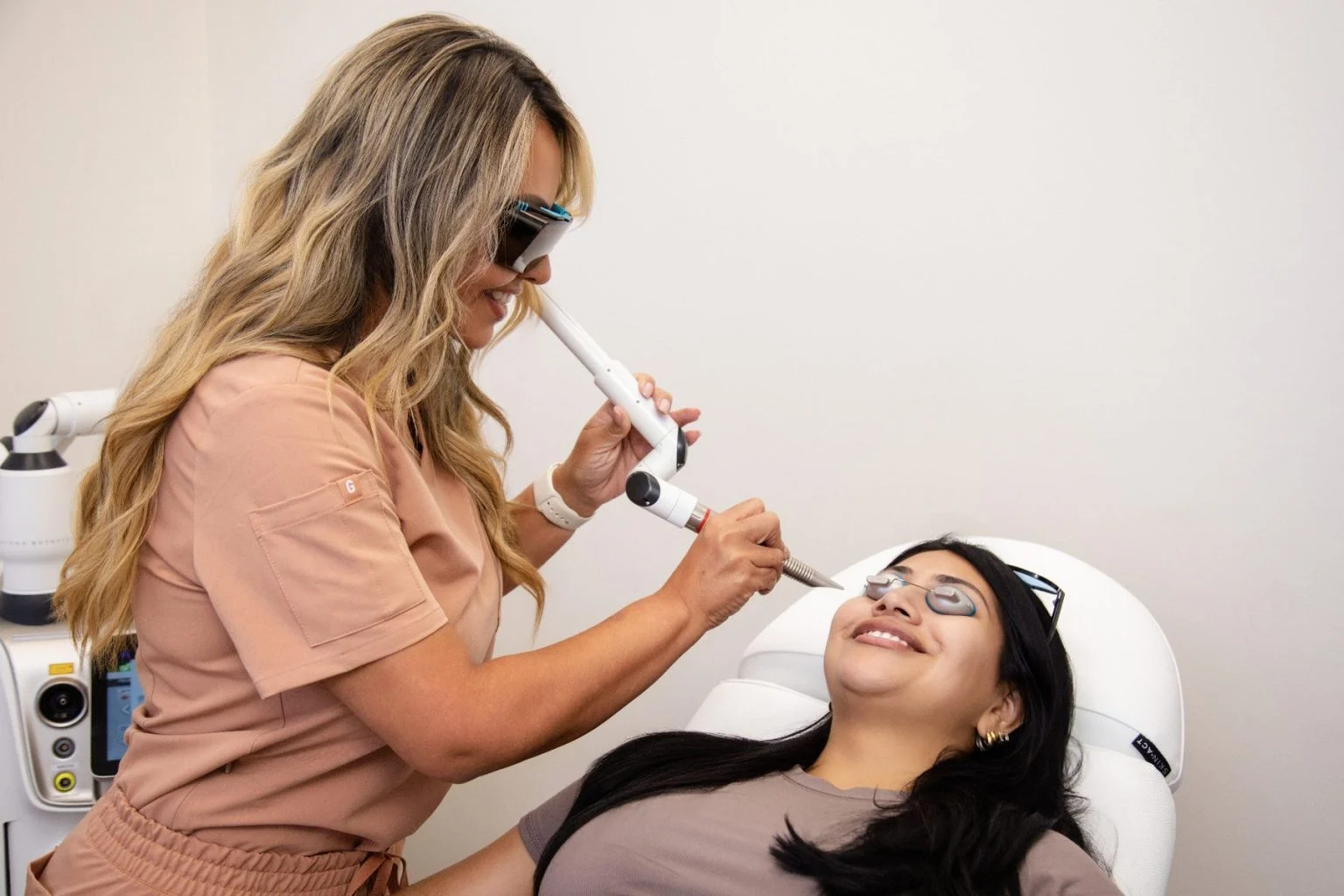
Confidence in your skin rarely comes from chasing perfection. In practice, it usually comes from feeling that what you see in the mirror matches how you feel in your own life, rested, healthy, and comfortable without needing to hide behind makeup, filters, or careful lighting. That is one reason Fotona Laser Treatments have become such a steady presence in aesthetic clinics. They are not a single procedure with a single outcome. They are a group of laser-based approaches used to address concerns that often chip away at confidence over time, including uneven texture, acne scars, early laxity, redness, fine lines, enlarged pores, and changes in tone.
What makes these treatments worth discussing is not hype. It is versatility. Fotona systems are commonly used because they allow clinicians to work at different depths of the skin and tailor treatment plans with a fair amount of precision. For the right patient, that can mean visible improvement without the long downtime associated with older resurfacing methods. For the wrong patient, or in the wrong hands, the same technology can lead to disappointment, irritation, or results that do not justify the cost. That tension matters. Skin treatments are personal, and patients deserve a clear-eyed understanding of what they are signing up for.
Why confidence and skin health are so closely linked
Skin is public. Unlike a sore knee or a strained shoulder, it is difficult to keep skin concerns private. People notice persistent redness, active acne, post-inflammatory marks, or crepey texture around the eyes, and patients know they notice. Over the years, I have seen how often the emotional burden has less to do with vanity than with visibility. Someone may be excellent at their job, socially confident, and largely comfortable in their appearance, yet still feel worn down by one recurring concern such as acne scarring on the cheeks or diffuse redness across the nose.
The best treatments do not create a new face. They soften the distraction. That is often enough to change how someone carries themselves. A patient who no longer worries about makeup settling into texture may feel more relaxed during a presentation. A person who used to avoid daylight because it emphasized pigmentation may start going bare-faced on weekends. These are quiet changes, but they are real.
Fotona Laser Treatments fit into that space because they can target both cosmetic and functional concerns. Some treatment settings focus on surface renewal and tone. Others stimulate collagen remodeling deeper in the tissue. In some cases, the goal is not dramatic change after one session. It is gradual improvement that looks believable.
What Fotona actually refers to
Fotona is a laser platform brand used in medical and aesthetic settings. Many clinicians know it for systems that combine two well-established wavelengths, Er:YAG and Nd:YAG. That combination expands what can be treated because each wavelength interacts with tissue differently.
Er:YAG is often chosen for more superficial skin work because it has a strong affinity for water in the skin. That makes it useful for resurfacing, improving texture, and addressing fine lines and certain types of scarring. Nd:YAG penetrates more deeply and is commonly used where heating deeper structures can help with collagen stimulation, vascular concerns, and skin tightening protocols.
Patients do not need to memorize the physics, but they should understand the practical point. When a clinic says it offers Fotona Laser Treatments, it may be referring to very different procedures under the same umbrella. One treatment might leave the skin pink for a day or two. Another may involve more aggressive resurfacing and a longer recovery. One person may need a series of three to five sessions spaced several weeks apart. Another may be a candidate for a stronger single treatment with more downtime. The phrase sounds singular, but the experience is not.
The skin concerns these treatments are often used to address
The most common reasons people ask about Fotona are signs of photoaging and textural damage. Fine lines around the mouth and eyes, roughness that makes the skin look tired, and mild to moderate laxity are frequent complaints. Acne scarring is another major category, particularly rolling scars and shallow boxcar scars that respond to collagen remodeling. Some clinics also use specific protocols for enlarged pores, certain vascular issues, and rejuvenation in delicate areas where treatment options used to be more limited.
This does not mean Fotona is the best answer for every issue. Deep ice-pick scars may still need TCA CROSS, punch techniques, or combination therapy. Melasma requires caution with heat-based procedures because excess inflammation can worsen pigment in some patients. Active cystic acne may need medical management before any resurfacing is considered. Advanced skin laxity will not be lifted to the same degree as a surgical procedure. The treatment can improve, soften, and refine, but it has limits, and those limits should be discussed plainly.
That honesty is important because confidence grows from trust as much as from results. Patients do well when they understand what is realistically changeable and what is not.
How treatment plans are usually tailored
A skilled practitioner does not build a plan around the machine. They build it around the skin in front of them. Age is only one part of that picture. A person in their thirties with years of acne scarring may need a more texture-focused approach than a person in their fifties whose main concern is laxity around the jawline. Skin tone matters too, because the risk of post-inflammatory hyperpigmentation can be higher in some patients, especially if settings are too aggressive or if aftercare is poor.
Season matters more than many people realize. Deeper resurfacing often makes more sense when a patient can avoid intense sun exposure for several weeks. Lifestyle matters as well. Someone with a public-facing job might prefer a series of lighter sessions with less visible downtime. Another patient may be happy to stay home for four or five days if it means stronger correction in fewer visits.
Clinicians often combine modalities over time. A patient might begin with conservative resurfacing to improve texture and pores, then move to deeper collagen-stimulating treatments later. Others pair laser work with prescription skincare, microneedling, neuromodulators, or injectable biostimulators depending on the concern. The point is not to do more for the sake of more. It is to choose treatments that work together rather than compete.
What the appointment feels like
Most first-time patients want to know one simple thing before they care about wavelengths or collagen remodeling. Does it hurt?
The honest answer is that comfort varies by treatment depth and body area. Some Fotona Laser Treatments feel warm and prickly, like a rapid series of snaps against the skin. Others feel more intense, especially around the mouth, nose, and under-eye area where the skin is thinner. Topical numbing is often used for certain protocols, though not always. Cooling measures, technique, and speed also affect comfort. A well-run clinic usually talks through this before the session rather than pretending every patient finds it easy.
Treatment itself can be surprisingly quick. A focused session on https://penzu.com/p/979a3679b717b4e0 the face may take under an hour, while combination work or larger areas can take longer. Immediately after, the skin may look flushed, feel warm, and sometimes appear slightly swollen. With more intensive resurfacing, there can be a rough sandpapery phase as the skin heals and renews. The degree of visible recovery is one of the main factors that separates a light lunchtime-style treatment from a more meaningful resurfacing session.
This is often where expectations begin to diverge. Patients sometimes assume that if a treatment is described as non-surgical, they will bounce back overnight. Sometimes they do. Sometimes they definitely do not. The phrase non-surgical says nothing about whether you will want to attend a wedding two days later.
The timeline people should realistically expect
One of the biggest mistakes in aesthetic treatment planning is thinking only in terms of the first week. With Fotona Laser Treatments, early changes may include a freshened look, a bit of tightening from swelling, and smoother surface feel once the initial healing phase has passed. The more meaningful collagen effects usually take longer. Remodeling happens gradually, often over several weeks to months.
That delayed timeline can actually be an advantage. Gradual improvement tends to look natural. Friends may comment that someone looks rested or polished rather than obviously treated. Still, delayed results require patience, and not every patient enjoys that part of the process. If someone is hoping for major correction before a near-term event, a laser series started too late can be a frustrating choice.
Cost and session count also vary. A lighter rejuvenation treatment may be part of a package of several sessions. More intensive resurfacing often costs more per visit. Geographic location, provider experience, and whether the treatment includes specialty protocols all influence price. Patients should ask for a realistic estimate of both the financial commitment and the likely maintenance plan. Skin continues to age. There is no one-time fix that freezes time.
Where these treatments can shine
One reason many clinicians appreciate Fotona is that it can be used with nuance. Delicate areas such as around the eyes or mouth often need a more measured approach than the cheeks or forehead. Some protocols are designed specifically for tightening and rejuvenation in places where surgical intervention may feel too aggressive or premature. That can be helpful for patients who are not ready for more invasive procedures but are bothered by early tissue changes.
Textural concerns are another area where thoughtful laser treatment can make a visible difference. Smoother skin reflects light more evenly. That may sound cosmetic, but it changes how healthy the skin appears at rest, without makeup and without strategic angles. This is particularly relevant for acne scar patients, who often have good skin otherwise but feel that texture is the one issue no cream can touch. In the right case, laser-based remodeling can make the skin look calmer and more refined even when scars do not disappear completely.
There is also an underappreciated psychological benefit to improvement that remains within the bounds of your own features. People often want to look like themselves on a very good day. They do not necessarily want the kind of change that prompts questions.
Where caution matters
Laser treatments are not a universal green light. Some skin types need a more conservative approach. Some patients have a history of melasma, keloid scarring, cold sores, or inflammatory pigment changes that requires extra planning. Medications matter. Recent isotretinoin use, photosensitizing drugs, and certain topical actives may influence timing or recovery. Recent tanning is a classic reason to postpone treatment, yet many patients underestimate how much incidental sun exposure counts.
Provider skill matters at least as much as the device. A sophisticated platform does not guarantee judgment. Good outcomes depend on diagnosis, setting selection, endpoint recognition, and aftercare guidance. A clinic that rushes through consultation, glosses over downtime, or promises dramatic change for every concern is waving a red flag.
There is also a temperament match involved. Some patients are excellent laser candidates physically but poor candidates practically. If someone cannot avoid sun, cannot follow a simple healing routine, or becomes anxious when normal post-treatment redness appears, they may be happier with a lower-intensity option. The best treatment is not just what the skin can tolerate. It is what the patient can manage well.
Preparing well makes a noticeable difference
The days around treatment often shape the result as much as the session itself. Skin that is irritated, freshly tanned, or over-exfoliated is less predictable. Likewise, patients who have a clear plan for healing usually recover more smoothly.
Here are a few preparation habits that tend to help:
- avoid active tanning and heavy sun exposure in the weeks before treatment
- pause irritating products if your clinician advises it, especially strong acids or retinoids
- disclose cold sore history, recent procedures, and all prescription skincare
- schedule treatment when you can accommodate possible redness or peeling
- go in with clean skin and a realistic plan for aftercare, not a packed social calendar
None of this is glamorous, but it is practical. A surprising amount of poor laser recovery starts with small preventable issues, such as assuming a beach weekend and a facial two days before treatment are harmless.
The recovery phase, and why patients often misread it
Healing skin does not always look better before it looks better. This is one of the hardest parts for patients who are used to instant-gratification treatments. Depending on the settings used, the skin may pass through redness, dryness, flaking, bronzing, rough texture, or mild swelling. That does not automatically mean something has gone wrong. In many cases, it means the normal repair process is underway.
The challenge is that normal healing and early complications can look similar to an untrained eye. Persistent heat, worsening pain, unusual crusting, blistering, or delayed irritation deserve prompt communication with the clinic. So does any darkening or pigment change that seems to be intensifying rather than settling. Good practices include gentle cleansing, a bland moisturizer if recommended, strict sun protection, and resisting the urge to scrub away flaking skin. People often sabotage otherwise good results because they become impatient on day three and start treating the skin as if it were simply dry.
This is where experienced clinicians earn their reputation. They prepare patients for the ugly middle and remain available if recovery veers off the expected path.
Results that tend to build confidence most reliably
When people talk about confidence after laser treatment, they often imagine the dramatic before-and-after photos. In reality, the most confidence-building outcomes are frequently more modest and more functional. Makeup sits better. Skin tone looks more even in daylight. A patient stops angling their face away in photos. Another feels comfortable leaving the house with tinted sunscreen instead of full coverage foundation.
Those shifts matter because they last beyond the novelty of treatment. Someone who has spent years thinking about their skin several times a day may suddenly think about it less. That is a meaningful return on investment, even if the skin is not flawless. In fact, patients who understand this tend to be the happiest. They want improvement, not illusion.
The reverse is also true. Patients who expect one laser session to erase years of sun damage, deep scarring, or laxity often feel underwhelmed even when the objective outcome is good. The emotional side of aesthetic care is not separate from the clinical side. Managing expectation is part of the treatment.
How to decide whether Fotona is the right fit
The best consultation is not a sales pitch. It feels more like a collaborative assessment. Your clinician should ask what bothers you most, what treatments you have tried, how much downtime you can handle, and what your skin has done in response to previous procedures. They should examine your skin in normal light, not just under flattering overhead conditions, and they should explain whether your concern is best approached through pigment reduction, collagen remodeling, vascular treatment, or something else entirely.
These are useful questions to bring to that conversation:
- what specific Fotona protocol are you recommending for my concern
- how many sessions do you think I will realistically need
- what downtime should I plan for, not the best-case version
- what are the main risks for my skin tone and history
- if this is not the best option, what would you choose instead
That last question is especially revealing. Strong clinicians are willing to say when another modality would serve you better.
The role of maintenance and long-term care
A well-done course of Fotona Laser Treatments can create meaningful improvement, but skin remains a living tissue exposed to sun, stress, hormones, and time. Maintenance matters. For some patients, that means repeating a lighter rejuvenation session once or twice a year. For others, it means using good home care to protect the results and delaying another procedure until the skin truly needs it.
Daily sun protection remains the least exciting and most important part of the plan. It is difficult to justify investing in resurfacing if unprotected UV exposure continues to drive pigment and collagen loss. A consistent skincare routine also helps, especially one built around tolerance rather than trend chasing. The goal is not to layer every active ingredient at once. It is to support barrier function, manage pigment if needed, and encourage healthy turnover without constant irritation.
Many patients benefit from seeing laser treatment as one chapter rather than the whole story. If texture improves but redness remains, that may be handled separately. If the skin is smoother but volume loss is now more obvious, another approach may eventually make sense. Good aesthetic care is sequenced. It does not try to solve everything at once.
A more grounded way to think about confidence
There is a certain kind of marketing around aesthetic medicine that suggests confidence can be bought quickly, as if one appointment can rewrite years of self-consciousness. Real life is less tidy than that. Confidence usually returns in increments. A treatment helps. Healing settles. The skin starts behaving better. You stop avoiding bright mirrors. You stop editing every photo of yourself. Somewhere in that process, you begin to feel less preoccupied.
That is where Fotona can be valuable. Not because it promises perfection, and not because every patient should get laser treatment, but because in carefully selected cases it can address stubborn skin concerns in a way topical products cannot. The technology is versatile, the outcomes can be elegant, and the confidence boost is often tied to subtle improvements that make daily life easier.
For anyone considering Fotona Laser Treatments, the smartest mindset is both hopeful and disciplined. Hopeful, because the right protocol can absolutely improve the skin you live in. Disciplined, because treatment choice, provider expertise, aftercare, and expectation all shape the final result. When those pieces align, the payoff is not just cosmetic. It is the ease that comes from looking at your skin and feeling more at home in it.
OMNIA Wellness Center
Address: 16430 Ventura Blvd Ste 207, Encino, CA 91436
Phone number: +18183868511
FAQ About Fotona Laser Treatments
What is a Fotona laser good for?
A Fotona Laser system is a versatile, dual-wavelength medical laser used primarily for non-surgical skin tightening, anti-aging rejuvenation, and dermatological treatments.
How much does the Fotona laser cost?
The cost of a Fotona laser depends heavily on whether you are looking to purchase a laser machine for a medical practice or are a patient seeking a laser treatment at a medspa.
Is a Fotona laser worth it?
A Fotona laser treatment is generally worth it if you want non-surgical skin tightening, improved texture, and collagen stimulation with very little downtime.