Fotona Laser Treatments for a Refreshed and Youthful Appearance
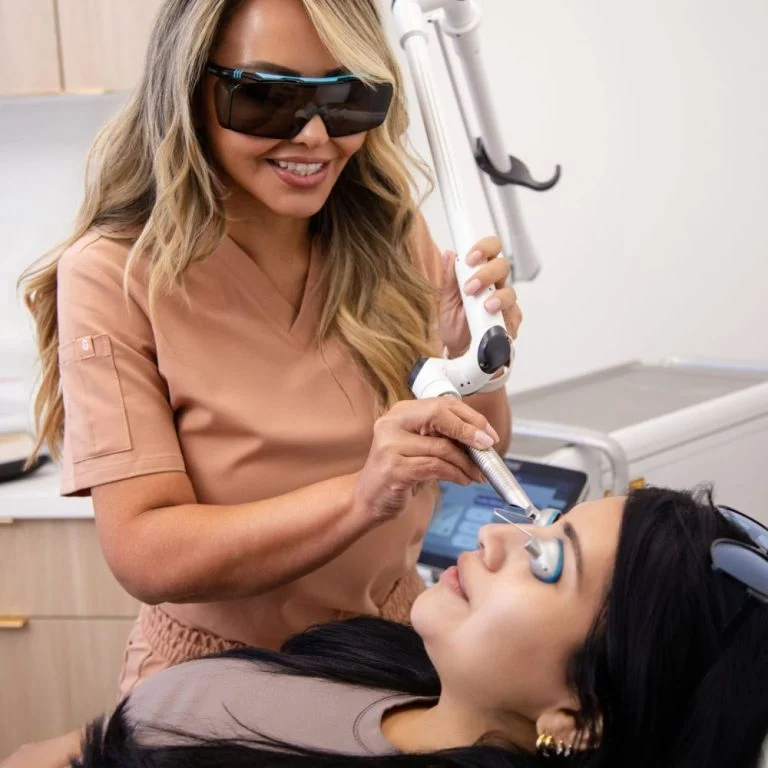
Aging skin rarely changes in just one way. Fine lines creep in around the eyes, texture becomes less even, pores look larger, and the easy bounce that younger skin has starts to fade. Some people also notice redness, acne scarring, a dull surface, or a looser jawline that seems to arrive almost overnight. That is why single-purpose treatments can feel disappointing. They may address one concern well, but leave three others untouched.
This is where Fotona Laser Treatments have earned a loyal following in aesthetic practice. Rather than offering one generic laser experience, Fotona platforms are designed to treat different skin concerns through several modes and wavelengths. In practical terms, that means a practitioner can often tailor treatment to texture, tone, laxity, acne scars, superficial pigmentation, vascular concerns, and even delicate zones such as the area around the mouth or eyes. For patients who want visible improvement without surgery, that flexibility matters.
What makes these treatments especially appealing is not hype, but range. A person in their early thirties may come in wanting collagen support and brighter skin before lines settle in. Someone in their late forties may be more concerned with creasing, uneven tone, and skin laxity. Another patient may have excellent skin quality overall but be bothered by acne scars from years ago. In a well-run clinic, Fotona is not treated as a one-size-fits-all procedure. It is used more like a toolkit.
Why Fotona stands out in modern aesthetic care
Many laser systems are excellent, but they tend to be known for a narrow specialty. One may be favored for pigment, another for resurfacing, another for vascular lesions. Fotona has built a reputation because its technology allows clinics to combine treatment depth, delivery style, and tissue interaction with a fair amount of precision.
The most commonly discussed wavelengths in the Fotona family are Er:YAG and Nd:YAG. Patients do not need to memorize those terms, but understanding the basic difference helps. Er:YAG is often used for more superficial work and controlled resurfacing because it interacts strongly with water in the skin. That makes it useful for smoothing texture, softening fine lines, and improving scars with precision. Nd:YAG, by contrast, penetrates deeper and is often used when the goal involves collagen stimulation, vascular issues, or non-ablative tightening. In experienced hands, these modes can complement each other beautifully.
That combination is one reason treatment plans can feel more customized than with a single-function device. A patient with early laxity and dullness may need deep heating for collagen remodeling plus a lighter resurfacing pass for glow and refinement. Another person with visible acne scarring might benefit from a more focused resurfacing approach, spaced over several sessions. The machine matters, but the planning matters more.
The concerns Fotona Laser Treatments can address
The phrase “refreshed and youthful appearance” sounds broad because it is broad. Patients rarely ask for one isolated change. They usually want to look less tired, more even-toned, firmer, and smoother, while still looking like themselves. Fotona can support that goal when there is a realistic match between the technology and the concern.
Fine lines are one of the most common reasons people book a consultation. Around the eyes and mouth, the skin is thin and mobile, which means expression lines tend to settle early. Gentle resurfacing can help refine that crepey look, while collagen-stimulating settings may improve the quality of the surrounding skin over time. The result is often not an erased face, but a fresher one, which is usually what patients actually want.
Texture is another major category. Skin can feel rough or look uneven even when there is no dramatic wrinkling. A patient may say makeup no longer sits smoothly, or that the forehead and cheeks seem dull no matter what they use at home. Controlled laser resurfacing can improve that tactile roughness and bring back a more polished surface.
Acne scarring is an area where expectations need careful management, but laser therapy can be genuinely useful. Rolling scars, boxcar scars, and textural irregularities often improve gradually with a series of treatments. No responsible practitioner promises scar-free skin, because scars are structural changes. What laser can do is soften edges, stimulate remodeling, and reduce the contrast between scarred and surrounding tissue. That can make a very meaningful difference in day-to-day confidence.
Mild to moderate laxity is another frequent target. Not every patient is ready for surgery, and many do not need it. They simply want skin that feels less slack around the lower face, neck, or eyes. Deep thermal stimulation can encourage collagen contraction and remodeling, which tends to create subtle but appreciated tightening over weeks and months. The keyword here is subtle. The best outcomes are often the ones friends notice without being able to pinpoint why someone looks better.
Pigmentation and redness may also improve, depending on the exact issue and skin type. Sun damage often presents as a mix of brown discoloration, rough texture, enlarged pores, and loss of luminosity. Vascular redness or visible small vessels can be a separate concern. A good assessment separates these patterns rather than treating “uneven skin” as one simple problem.
What treatment actually feels like
Patients often arrive either too relaxed or too worried. The truth sits in the middle. Fotona Laser Treatments are generally tolerable, but comfort depends on the depth and intensity of treatment, the area being treated, and whether the session is ablative, non-ablative, or combined.
For lighter rejuvenation sessions, people often describe heat, snapping, or a prickling sensation. These are usually quick treatments with limited downtime. For more intensive resurfacing, topical numbing is commonly used, and the experience can feel hotter and more uncomfortable, especially around the mouth or over thinner skin. Most patients handle it well when they know what to expect.
Immediately after treatment, the skin may be pink, warm, slightly swollen, or rough to the touch. With deeper resurfacing, redness can be more obvious and the recovery period longer. Some people look mildly flushed for a day or two. Others undergoing more aggressive settings may have several days of visible healing. This variation is normal. One of the biggest mistakes in cosmetic medicine is pretending all “laser treatments” are lunch-break procedures. Some are. Some definitely are not.
The difference between a glow treatment and true resurfacing
A lot of confusion in aesthetics comes from using one word for many very different procedures. “Laser” can refer to a gentle treatment with minimal social downtime or a significant resurfacing session that requires planning, aftercare, and patience.
When patients want a refreshed look before an event, clinics may lean toward lighter settings that improve radiance and stimulate collagen with relatively little interruption to daily life. These treatments can be excellent for maintenance. They do not usually produce the dramatic texture change that a stronger resurfacing protocol might.
True resurfacing is a different category. It aims to create more visible change in fine lines, sun damage, scars, or rough texture. The trade-off is more downtime, more redness, and stricter aftercare. In practice, people who are happiest with their outcome tend to be the ones who understand this trade-off at the start. There is no shame in choosing milder treatment, but there is a cost to expecting resurfacing-level results from a no-downtime session.
Customization matters more than brand recognition
A recognizable device name can draw attention, but outcomes depend on assessment, settings, treatment spacing, skin preparation, and aftercare. Two clinics can offer the same technology https://www.google.com/maps?cid=15747598012322768060 and produce very different results.
This is particularly important for patients with darker skin tones, melasma history, active acne, rosacea, recent sun exposure, or a tendency toward post-inflammatory hyperpigmentation. These are not reasons to avoid laser automatically, but they do require judgment. Sometimes a skilled practitioner will delay treatment, pretreat the skin, choose gentler parameters, or recommend a different modality first. That restraint is a good sign. It means the clinic is thinking beyond the sale.
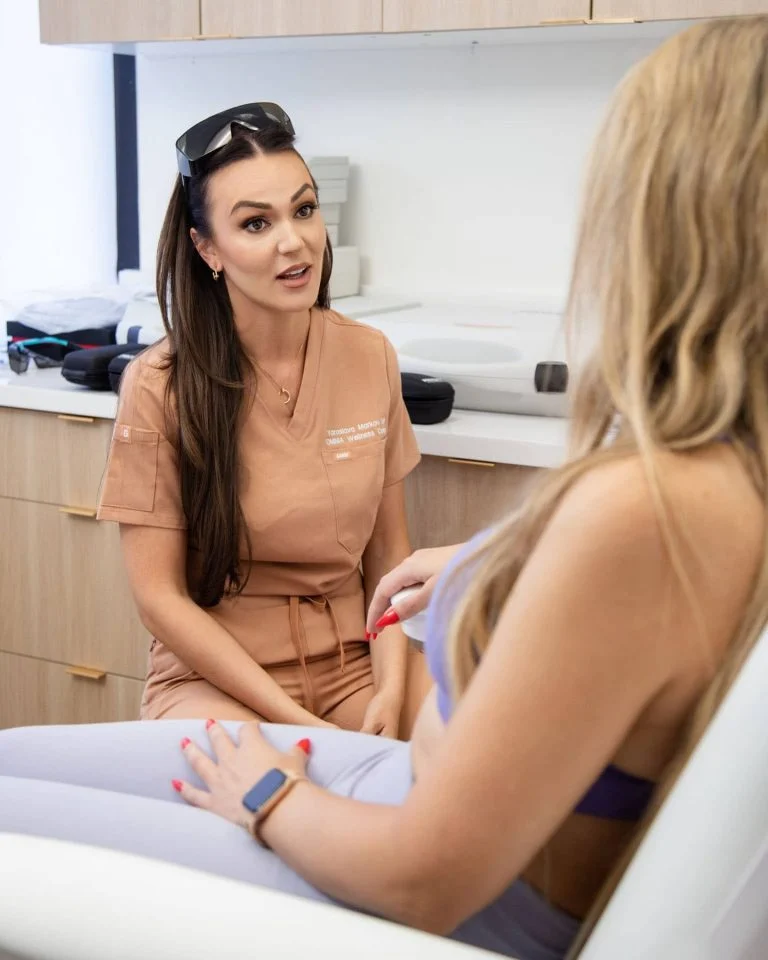
I have seen the best laser plans come from consultations where the provider spends more time asking questions than naming packages. They ask how your skin heals, whether you have had cold sores, what products you use, how much sun you get, whether you can tolerate downtime, and what specifically bothers you when you look in the mirror. That information shapes the plan more than marketing language ever will.
The consultation questions worth asking
A strong consultation should leave you clearer, not more dazzled. If you are considering Fotona Laser Treatments, these questions often reveal whether the recommendation is grounded and individualized:
- What exact concern are you treating first, and why is this laser the right match for it?
- How many sessions are likely needed for my goal, and what improvement range is realistic?
- What will recovery look like day by day for the settings you recommend?
- What risks matter most for my skin type, history, and current skincare routine?
- If this does not suit me, what alternative treatment would you suggest instead?
A practitioner who answers with specifics usually inspires more confidence than one who leans on broad promises like “everyone loves this” or “you will look ten years younger.”
Popular Fotona approaches patients often hear about
Certain branded Fotona protocols are frequently discussed because they package multiple treatment concepts into a recognizable name. One widely known example is the so-called 4D approach, which typically combines internal and external treatment steps to target tightening, volume support, texture, and superficial refinement. The appeal is obvious. Rather than focusing on one layer of aging, it addresses several.
There are also protocols aimed at collagen stimulation with little downtime, often chosen by patients who want gradual improvement and maintenance. Others are more squarely focused on resurfacing and textural correction. A patient with etched lines above the lip may need a different strategy from a patient whose main complaint is diffuse redness or enlarged pores.
This matters because branded treatment names can sometimes blur what is really being done. A thoughtful clinic should explain whether your session is primarily non-ablative tightening, fractional resurfacing, vascular treatment, or a blend. When patients understand that, they make better choices and have fewer surprises during recovery.
Who tends to do well with these treatments
The ideal candidate is not simply someone who wants to look younger. It is someone with a defined concern, reasonable expectations, and a willingness to follow preparation and aftercare instructions. Good candidates often include people with early to moderate signs of aging, uneven texture, mild skin laxity, enlarged pores, acne scars, or sun-related damage.
Patients looking for natural improvement often appreciate Fotona because results build rather than announce themselves all at once. Skin may look clearer, firmer, smoother, and more awake. That kind of change tends to age well. It does not depend on one dramatic intervention that can look disconnected from the rest of the face.
That said, laser is not the answer to every concern. Heavier jowling, marked volume loss, or severe skin redundancy may require a different conversation. Some people are better served by injectables, surgery, radiofrequency, ultrasound-based tightening, or a combination plan. Good medicine is not about fitting everyone into the same machine time.
Recovery, aftercare, and the small habits that protect results
Aftercare is where many outcomes are quietly won or lost. People spend time researching the device and almost none preparing for the days after treatment. Yet healing skin is vulnerable skin. It needs calm handling, moisture, and strict sun protection.
In the first few days, most providers emphasize gentle cleansing, avoiding heat exposure, and using only approved products. This is not the time to experiment with acids, retinoids, scrubs, or fragranced skincare. Even patients who normally tolerate active ingredients well can trigger unnecessary irritation when the barrier is temporarily disrupted.
These simple habits make a real difference during recovery:
- Keep the skin well moisturized with the product your provider recommends.
- Avoid direct sun and wear broad-spectrum sunscreen faithfully once the skin is ready.
- Pause exfoliants, retinoids, and strong actives until you are told to restart them.
- Do not pick, rub, or manually remove peeling skin.
- Contact the clinic promptly if swelling, pain, or redness seems to be worsening rather than settling.
One practical point that patients often underestimate is timing. If you have a wedding, a speaking engagement, a photo shoot, or travel planned, schedule with margin. Even when downtime is expected to be short, skin does not always read the brochure. A treatment that technically allows a quick return to work may still leave you pinker or rougher than you would like for a close-up event.
How many sessions are usually needed
This depends almost entirely on the treatment goal. For maintenance and collagen support, some patients do well with a series of two to four sessions spaced several weeks apart, followed by periodic upkeep. For acne scarring or more obvious textural change, a longer course is common. Resurfacing intensity also affects the plan. One deeper session may create more visible change than several lighter sessions, but it comes with more recovery.
A useful way to think about it is this: deeper treatment can move the needle faster, while lighter treatment often builds change more gradually and gently. Neither approach is universally better. It depends on your skin, schedule, appetite for downtime, and threshold for risk.
This is also where honest photography matters. Subtle improvements can be easy to forget when seen daily in the mirror. Standardized before-and-after photos taken in the same lighting are often far more revealing than memory.
The role of combination treatment
Some of the strongest outcomes in aesthetics come from combination planning. A patient may improve skin quality with Fotona while also using medical-grade skincare, neuromodulators for expression lines, or carefully chosen fillers where volume loss is the main issue. Others may combine laser with microneedling or peels at different times in the year, depending on the skin’s needs.
Combination care should never mean piling on treatments for the sake of a bigger invoice. It should mean matching each concern with the most sensible tool. If the primary issue is dynamic frown lines, a laser is not the most direct answer. If the main issue is rough, sun-damaged skin, that is where laser may shine. Good treatment design is selective.
Risks, limits, and why restraint is a virtue
Every meaningful aesthetic treatment has limits. With laser, these can include redness, swelling, temporary darkening of pigment, prolonged sensitivity, acne flares, cold sore reactivation in susceptible patients, and in some cases post-inflammatory hyperpigmentation or scarring. Serious complications are uncommon in skilled hands, but “uncommon” is not the same as impossible.
This is why conservative treatment sometimes produces better long-term outcomes than aggressive ambition. A practitioner may recommend a test spot, lighter initial settings, or spacing sessions farther apart for safety. Patients occasionally misread this as lack of confidence. More often, it is experience speaking.
There is also the simple reality that skin quality can be improved far more easily than facial structure can be transformed. Fotona Laser Treatments can make the skin look healthier, fresher, tighter, and more even. They can soften signs of aging. They cannot turn a sixty-year-old face into a thirty-year-old one, nor should that be the benchmark. The goal worth pursuing is a version of your face that looks rested, cared for, and in harmony with how you feel.
What patients often notice first
The earliest changes are not always the ones people expect. Tightening and collagen remodeling can take weeks to months, but brightness and surface refinement may show up sooner. Patients often report that skin looks cleaner, makeup sits better, or they need less concealer because tone appears more even. Those are not trivial wins. In real life, they often matter more than dramatic transformation.
Over time, the cumulative effect can be striking in a quiet way. Fine lines may soften, the lower face may look a bit less heavy, pores a little less obvious, and the overall complexion more alive. This is the sweet spot for many people, visible improvement without a sense of having been “done.”
A realistic path to a more youthful look
Youthful skin is not just line-free skin. It reflects light evenly, has resilience, holds moisture well, and looks smooth without appearing overprocessed. Fotona Laser Treatments can support those qualities when used thoughtfully. They are particularly valuable for patients who want real skin improvement, not just camouflage.
The strongest results usually come from a clear diagnosis, a customized plan, and patience. One person may need resurfacing. Another may need collagen stimulation. A third may need to postpone laser, calm inflammation, and repair the skin barrier first. There is professionalism in making those distinctions.
For anyone exploring aesthetic options, that is the main takeaway. Choose the clinic that explains trade-offs, not just benefits. Choose the plan that fits your skin rather than the one with the flashiest name. And if your goal is to look refreshed and youthful rather than altered, Fotona can be an excellent option when the treatment is matched well to the face in front of it.
OMNIA Wellness Center
Address: 16430 Ventura Blvd Ste 207, Encino, CA 91436
Phone number: +18183868511
FAQ About Fotona Laser Treatments
What is a Fotona laser good for?
A Fotona Laser system is a versatile, dual-wavelength medical laser used primarily for non-surgical skin tightening, anti-aging rejuvenation, and dermatological treatments.
How much does the Fotona laser cost?
The cost of a Fotona laser depends heavily on whether you are looking to purchase a laser machine for a medical practice or are a patient seeking a laser treatment at a medspa.
Is a Fotona laser worth it?
A Fotona laser treatment is generally worth it if you want non-surgical skin tightening, improved texture, and collagen stimulation with very little downtime.